Egypt is a destination of exceptional historical depth, natural beauty, and cultural richness, offering travelers a truly diverse and unforgettable experience. From the legacy of one of the world’s oldest civilizations to pristine coastlines and dramatic desert landscapes, Egypt seamlessly blends history, adventure, and relaxation.
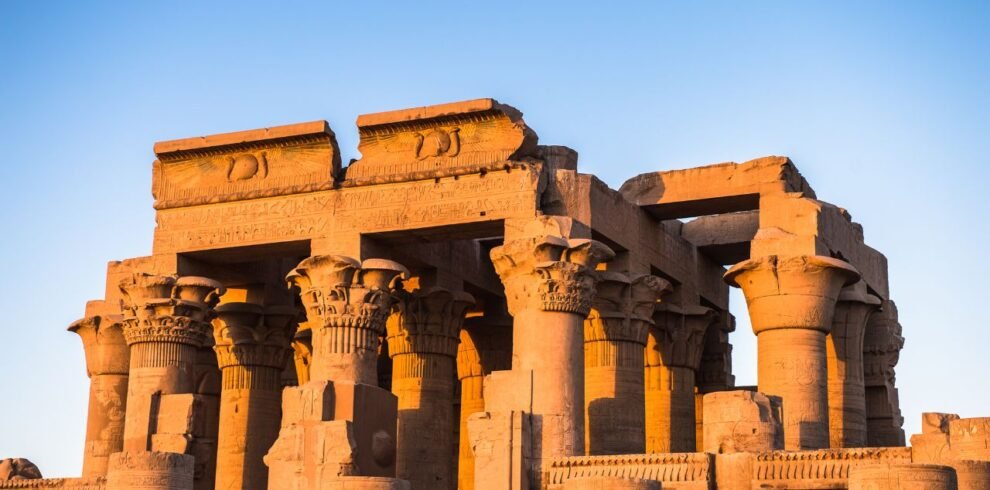
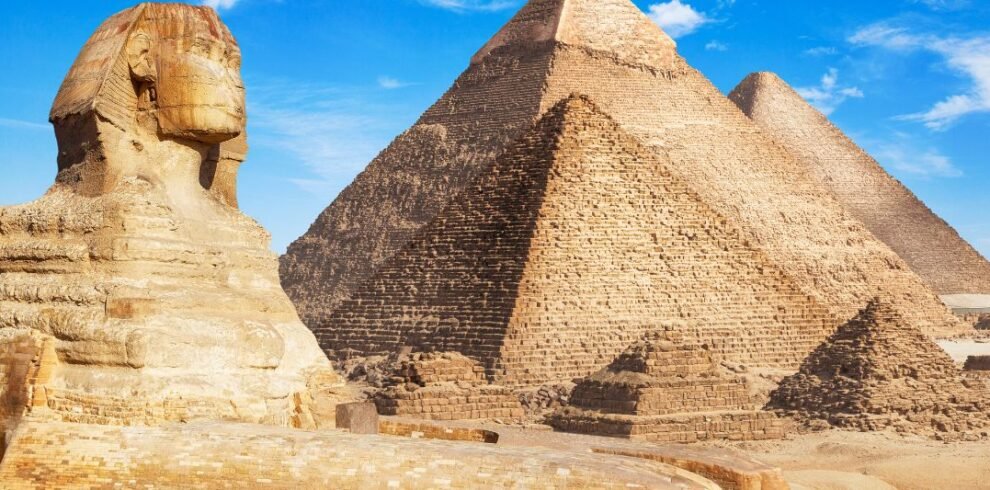
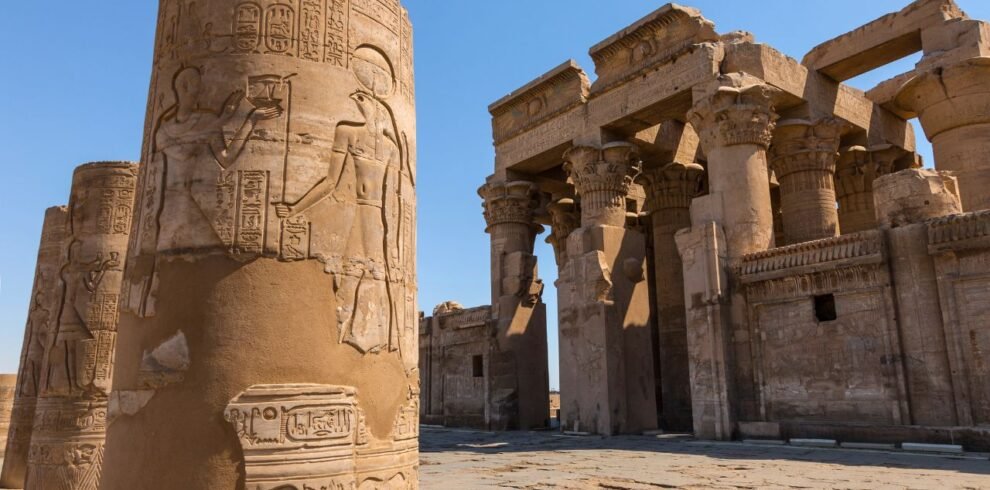
Visitors can explore world-renowned landmarks such as the Pyramids of Giza and the Great Sphinx, uncover the royal tombs of the Valley of the Kings, and admire the monumental temples of Luxor and Aswan. A Nile River cruise offers a timeless journey through the heart of Egypt, blending guided cultural exploration with serene relaxation along the riverbanks.
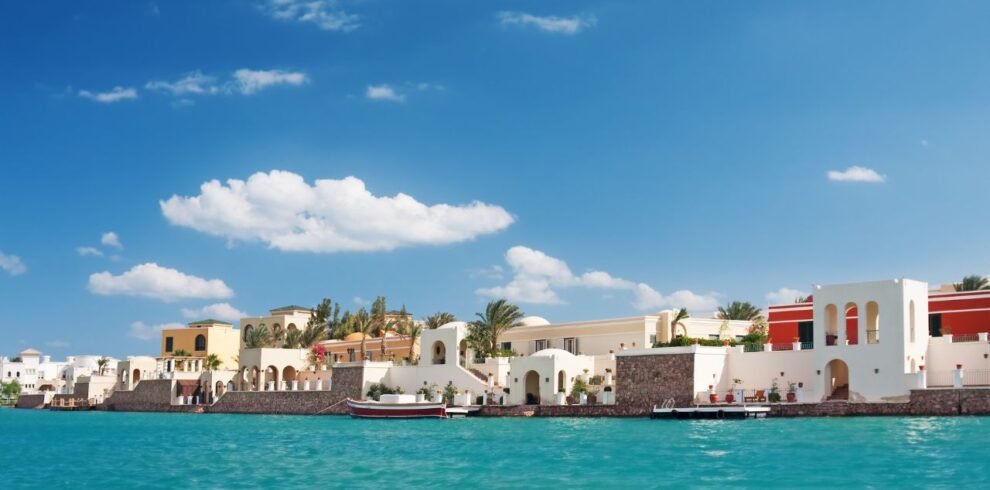
Beyond its ancient monuments, Egypt is equally celebrated for its natural attractions. Along the Red Sea coast, destinations such as Hurghada, Sharm El Sheikh, El Gouna, and Marsa Alam offer golden beaches, crystal-clear waters, and some of the world’s best snorkeling and diving experiences, with vibrant coral reefs and rich marine life.
For travelers seeking adventure and exploration, Egypt’s deserts and oases reveal a different side of the country. From the White Desert and Bahariya Oasis to the remote beauty of Siwa Oasis, desert journeys showcase breathtaking scenery, traditional Bedouin culture, and unforgettable off-the-beaten-path experiences.
Whether your journey is focused on ancient history, beach relaxation, underwater adventure, desert exploration, or a combination of all three, Egypt offers a rich, welcoming, and inspiring travel experience that leaves a lasting impression.
With Tour For Less, discovering Egypt is more than a trip. It’s a carefully crafted journey that delivers exceptional experiences, trusted expertise, and outstanding value every step of the way.
Egyptian cuisine is a flavorful reflection of the country’s long and diverse history, blending ancient culinary traditions, Middle Eastern spices, and Mediterranean influences. Travelers can enjoy fragrant stews, hearty grilled meats, fresh breads, and sizzling street snacks, alongside decadent desserts like baklava and basbousa. Every meal is a cultural journey, offering a taste of local life, traditional ingredients, and time-honored cooking methods.
Ta’ameya, Egypt’s iconic falafel, is crafted from fava beans instead of chickpeas, giving it a unique, earthy flavor. These crispy, golden patties are typically served inside soft pita bread, accompanied by fresh salad, tangy pickles, and creamy tahini sauce. Widely sold from street carts across the country, Ta’ameya is an affordable, beloved breakfast and snack, enjoyed by locals of all ages. Its simplicity and bold flavors make it a perfect introduction to Egyptian street food culture.
Ful Medames is one of Egypt’s oldest and most cherished dishes, made from slow-cooked fava beans seasoned with olive oil, garlic, lemon, and cumin. Traditionally served for breakfast or as a light meal, it is often accompanied by fresh vegetables, eggs, or flatbread. This simple yet flavorful dish has been a staple of Egyptian kitchens for thousands of years, offering a comforting taste of the country’s culinary heritage.
Koshary is Egypt’s beloved national dish, a hearty and flavorful combination of rice, lentils, pasta, and chickpeas, topped with crispy fried onions and a tangy tomato sauce. Often seasoned with garlic and cumin and sometimes served with a dash of vinegar or hot sauce, Koshary is a staple of Egyptian street food and a must-try for anyone visiting the country. Affordable, filling, and deeply rooted in local tradition, it perfectly represents the comfort and richness of Egyptian cuisine.
A traditional Egyptian delicacy, Hamam Mahshi features roast pigeon stuffed with cracked wheat or rice and aromatic herbs. Tender and flavorful, it is typically served in traditional restaurants and enjoyed on special occasions. Watch for the tiny bones—and don’t be surprised if one isn’t enough!
Molokhia is a traditional Egyptian soup made from finely chopped jute leaves, simmered with garlic, coriander, and sometimes chicken or rabbit broth. Its velvety texture and vibrant green color make it a beloved staple in Egyptian homes. Often served with rice or bread, Molokhia is a comforting dish that reflects Egypt’s rich culinary heritage.
Bell peppers, zucchini, vine leaves, and even cabbage are stuffed with rice, herbs, and spices to make mahshi. It’s a favorite for family gatherings, and every Egyptian grandmother claims her recipe is the best.
Also called “Egyptian pie,” fiteer is a flaky, buttery pastry that can be served sweet (with honey, sugar, or Nutella) or savory (with cheese, meats, or vegetables). Best enjoyed hot from a bakery.
Alexandria, situated on Egypt’s Mediterranean coast, is famous for its fresh seafood, particularly grilled or fried fish and calamari. Prepared simply with olive oil, lemon, and local spices, these dishes highlight the natural flavors of the sea. Served in coastal restaurants and street stalls alike, they are a must-try for anyone seeking an authentic taste of Alexandrian cuisine.
Sayadeya is a classic Alexandrian dish featuring flaky white fish cooked with seasoned rice, caramelized onions, and a blend of aromatic spices. Traditionally served with lemon wedges and fresh herbs, it perfectly captures the Mediterranean flavors of Alexandria. This beloved dish is a staple of coastal Egyptian cuisine and a must-try for seafood enthusiasts.
Alcohol is available in some hotels and tourist spots, but Egypt’s true beverage culture is all about
refreshing, non-alcoholic drinks:
The official currency of Egypt is the Egyptian Pound (EGP).
While credit cards are widely accepted in modern hotels, large stores, and popular tourist attractions,
smaller shops and vendors, especially in remote or rural areas, often only accept cash. It’s wise to
carry sufficient Egyptian pounds for everyday expenses and smaller purchases where card payments
aren’t possible.
ATMs are readily available in major cities such as Cairo and Alexandria, typically located near
shopping malls, tourist hotspots, and upscale hotels. However, they become scarce in smaller towns
and countryside regions, so it’s important to withdraw enough cash before venturing outside
urban centers.
Cairo, Egypt’s bustling capital, is a vibrant blend of ancient history and modern life. Visitors can explore the Pyramids of Giza, the Sphinx, and the Egyptian Museum, home to treasures including King Tutankhamun’s artifacts.The city also offers historic mosques, Coptic churches, colorful markets, and lively streets, giving travelers a rich cultural and urban experience. Cairo’s energy, history, and diversity make it the gateway to Egypt’s heritage and modern charm
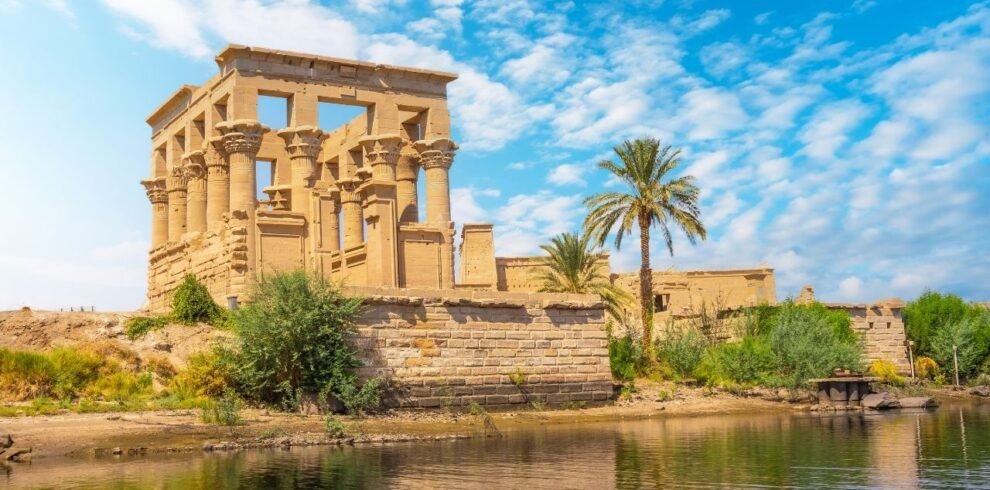
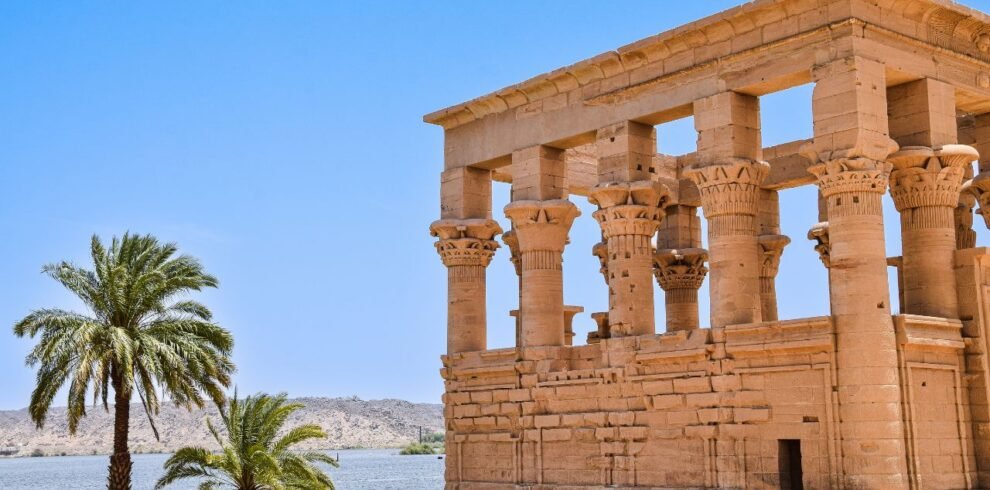
Aswan, located in southern Egypt along the Nile River, is famed for its stunning natural beauty, Nubian culture, and historical sites. Key attractions include the Philae Temple, the Unfinished Obelisk, the High Dam, and visits to traditional Nubian villages, where travelers can experience colorful architecture, local crafts, and Nubian hospitality. The city is also the gateway to Nile cruises, offering breathtaking views of the river, islands, and desert landscapes. Known for its relaxed atmosphere and vibrant markets, Aswan provides a serene contrast to Egypt’s northern cities.
Abu Simbel is one of Egypt’s most iconic and awe-inspiring destinations. Famous for the massive rock-cut temples of Ramses II and Queen Nefertari, it showcases masterful ancient engineering and artistry. The temples are strategically aligned with the sun during the twice-yearly solar phenomenon, illuminating the statues inside—a spectacle of history and science.
No visit to Egypt is complete without experiencing the mighty Nile — the country’s lifeblood for
thousands of years. Beyond its historic role as a vital source of irrigation and transportation, the Nile
supports diverse wildlife, including hippos and crocodiles. Today, it also offers a serene escape for
both locals and visitors. Cruise its waters aboard a traditional Egyptian felucca and immerse yourself
in timeless scenery.
Luxor, often called the world’s greatest open-air museum, is home to some of Egypt’s most magnificent ancient sites. Highlights include the Valley of the Kings, the Temple of Queen Hatshepsut, Karnak Temple, and Luxor Temple, showcasing the grandeur of the pharaonic era.
Egypt’s Red Sea coast is famous for its crystal-clear waters, vibrant coral reefs, and abundant marine life, making it a paradise for snorkeling, diving, and water sports. Popular resort cities such as Hurghada, Sharm El-Sheikh, and El Gouna offer luxury accommodations, lively beaches, and world-class recreational activities
Embark on a memorable pilgrimage to the summit of Mount Sinai, where you’ll be rewarded with a
breathtaking golden sunrise. Revered by multiple faiths, this sacred mountain features ancient
monasteries and chapels nestled amid stunning desert landscapes. Whether you seek spiritual
reflection or simply awe-inspiring views, Mount Sinai is a must-see.
Located at the foot of Mount Sinai, the Monastery of Saint Catherine is one of the world’s oldest Christian monasteries, dating back to the 6th century. Famous for its ancient icons, manuscripts, and the Burning Bush, the monastery is a spiritual and historical landmark attracting pilgrims and travelers alike. Surrounded by the rugged beauty of the Sinai Desert, it offers a unique glimpse into Egypt’s religious heritage and monastic traditions.
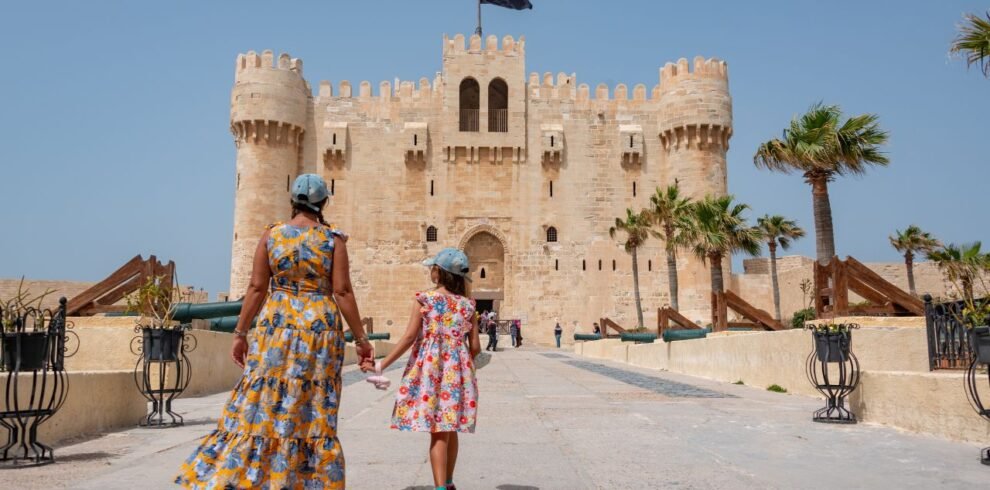
Step back in time in Alexandria, the historic Mediterranean port city affectionately known as the “Bride
of the Mediterranean.” Visit the remarkably preserved Roman ruins at Kom el-Dikka, including the
atmospheric amphitheater that once welcomed up to 800 spectators. Wander the streets and soak up
the city’s unique blend of ancient and modern charm.
Explore the surreal landscapes of the White Desert, where chalk-white rock formations sculpted by
wind create a dreamlike environment unlike anywhere else on earth. Camping under the stars here is
a truly unforgettable experience.
The best time to visit Egypt is from October to April, when temperatures are mild and comfortable for sightseeing.
Egypt’s official currency is the Egyptian Pound (EGP). Carry small cash for taxis and tips, use cards in hotels and shops, and withdraw from ATMs as needed.
Yes, Egypt is generally safe for both solo travelers and families. Popular tourist areas like Cairo, Luxor, Aswan, Alexandria, and Red Sea resorts are well-patrolled and welcoming.
Drink bottled water, use hand sanitizer, and carry necessary medications. Protect against sun and heat by using sunscreen, wearing hats, and staying hydrated, especially in summer and desert areas. Eat freshly cooked meals and wash fruits and vegetables before eating. Having travel insurance that covers health is strongly recommended.
Lightweight clothes, layers, modest attire, walking shoes, hat, sunglasses, sunscreen, medications, hand sanitizer, water bottle, travel adapter, camera, day bag, and swimwear.
Respect local customs; dress modestly, especially in religious sites. During Ramadan, shops may
operate on limited hours. Use your right hand when eating or handing over items.
Travel comfortably and safely with Tour For Less, featuring private air-conditioned vehicles, professional drivers, and customized itineraries. Domestic flights, Nile cruises, and licensed private sedans offer flexible options for exploring cities, historic sites, and desert landscapes with ease.
Dress modestly, especially at religious sites. Public displays of affection are frowned upon. Always ask before photographing people. Alcohol is available in licensed venues, but public intoxication is prohibited. Avoid drugs and carry ID at all times.
The official language is Arabic, but English is widely spoken in hotels, tourist sites, airports, and major cities. French, German, or Italian may be spoken in some areas. Learning a few basic Arabic phrases is appreciated and enhances interactions with locals.
Engage local guides, participate in festivals, dress modestly at religious sites, ask before photographing people, support local artisans, and follow site guidelines to enjoy Egypt’s heritage responsibly.