
Step into a world of colors, spices, and timeless beauty. This is Morocco like you’ve never experienced before. With Tour For Less, our journeys go beyond the postcards, guiding you through maze like medinas, ancient kasbahs, and sunlit coastal towns, uncovering the stories that make this country truly unforgettable.
Feel the pulse of Morocco in Marrakech’s bustling Jemaa el-Fnaa square, admire the grandeur of Casablanca’s waterfront mosque, and wander the dreamy blue streets of Chefchaouen. Yet the heart of Morocco lies in its people and traditions: share bread with Amazigh families, watch the desert sun set over the Sahara, and join in drumming and storytelling under a star studded sky.
Savor the rich aromas and flavors of Moroccan cuisine from fragrant tagines to freshly baked breads and explore markets filled with vibrant textiles, intricate lanterns, and handcrafted treasures. Every step, every taste, and every story brings you closer to the real Morocco.
At Tour For Less, we make this immersive experience affordable, comfortable, and unforgettable. From guided tours to private transportation and carefully curated itineraries, we ensure you see Morocco’s highlights and hidden gems without the stress or high cost.
Book your Moroccan adventure with Tour For Less today—live the stories, taste the culture, and make memories that last a lifetime.
Moroccan cuisine is a feast for the senses — a blend of Berber traditions, Arab influences,
Andalusian flavors, and Mediterranean flair. With its fragrant spices, slow-cooked stews, and colorful
presentation, food here is much more than sustenance — it’s an expression of culture, hospitality, and
community. On many trips, you may even share a home-cooked meal with a local family, where every
dish is served with warmth and meaning.
Named after the conical clay pot it’s cooked in, tagine is a slow-cooked stew of meat, vegetables, and spices. Flavors vary from lamb with prunes and almonds to chicken with preserved lemon and olives — always rich, fragrant, and deeply satisfying.
Often considered Morocco’s national dish, couscous is traditionally served on Fridays. Steamed semolina grains are topped with tender meat, vegetables, and broth, creating a wholesome and comforting meal shared among family and friends.
A specialty from Fes, pastilla (or bastilla) combines spiced pigeon or chicken with almonds, wrapped in flaky pastry and dusted with cinnamon and sugar. The surprising mix of sweet and savory makes it unforgettable.
This hearty tomato-based soup made with lentils, chickpeas, and lamb is a staple during Ramadan. Traditionally served with dates and chebakia (sesame-honey pastries), harira is nourishing and full of flavor.
Often prepared for special occasions, mechoui is whole lamb slow-roasted until the meat falls off the bone. It’s typically seasoned with cumin and salt and eaten communally with bread.
Often prepared for special occasions, mechoui is whole lamb slow-roasted until the meat falls off the bone. It’s typically seasoned with cumin and salt and eaten communally with bread.
A delicious, cooked salad made from eggplant, tomatoes, garlic, and spices. Served with fresh bread, zaalouk is a flavorful appetizer found on almost every Moroccan table.
Beyond the traditional pigeon version, you’ll also find seafood or vegetarian bastilla, reflecting Morocco’s creative culinary scene.
Try grilled brochettes (meat skewers), sardine sandwiches in coastal towns, or msemen (layered pan- fried bread) served hot with honey or cheese. Street food in Morocco is inexpensive, flavorful, and always lively.
While alcohol is available in some restaurants and hotels, Morocco is best known for its refreshing
non-alcoholic beverages
To enjoy Moroccan hospitality fully, it helps to know a few customs
The official currency of Morocco is the Moroccan Dirham (MAD).
While credit cards are widely accepted in modern hotels, larger restaurants, and popular tourist
attractions, smaller shops, local markets (souks), and rural areas often only accept cash. It’s
advisable to carry enough dirhams for daily expenses, tipping, and small purchases where card
payments aren’t possible.
ATMs are readily available in major cities such as Marrakech, Fes, Casablanca, and Rabat, usually
near hotels, shopping areas, and tourist sites. However, they are limited in smaller towns and remote
regions, so it’s wise to withdraw sufficient cash before traveling to less populated areas.
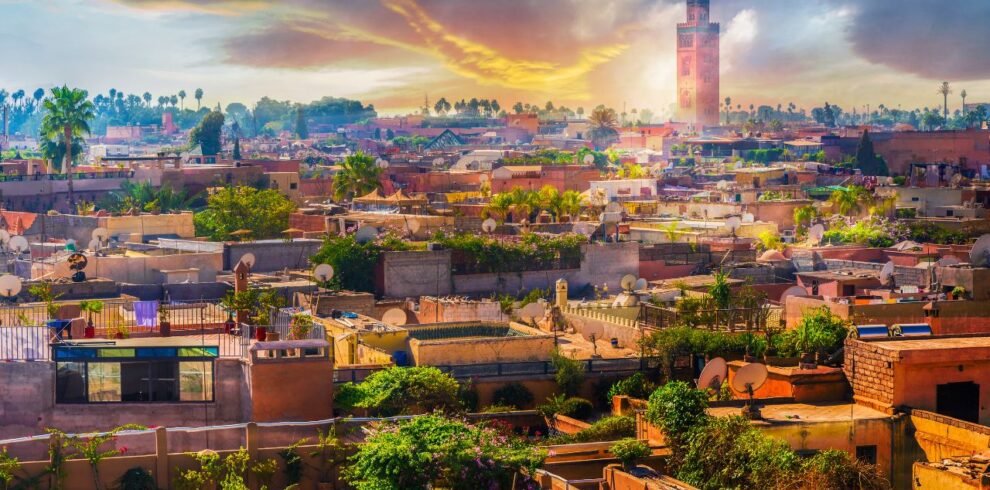
Lose yourself in the vibrant heart of Morocco’s “Red City.” Wander through the winding souks, marvel
at the intricate beauty of the Bahia Palace, and experience the electric energy of Jemaa el-Fnaa
Square with its storytellers, snake charmers, and endless food stalls.
Step into Morocco’s spiritual and intellectual capital. Explore the medina of Fes el-Bali, a UNESCO
World Heritage site and one of the world’s largest car-free urban areas. Don’t miss the University of
Al-Qarawiyyin, founded in 859 CE and recognized as the world’s oldest existing university.
Discover the enchanting “Blue Pearl” of Morocco, nestled in the Rif Mountains. The town’s blue- washed buildings create a magical atmosphere, perfect for strolling, photography, and sampling local
goat cheese while enjoying mountain views.
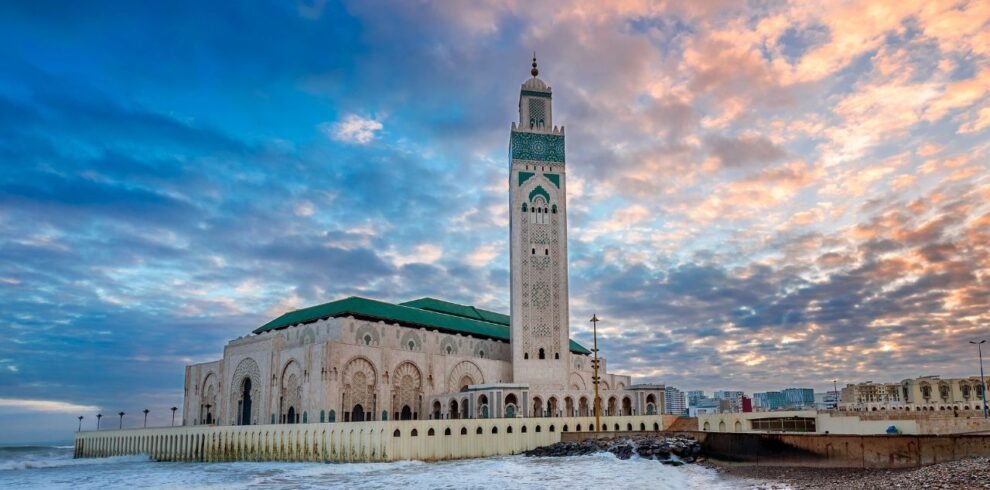
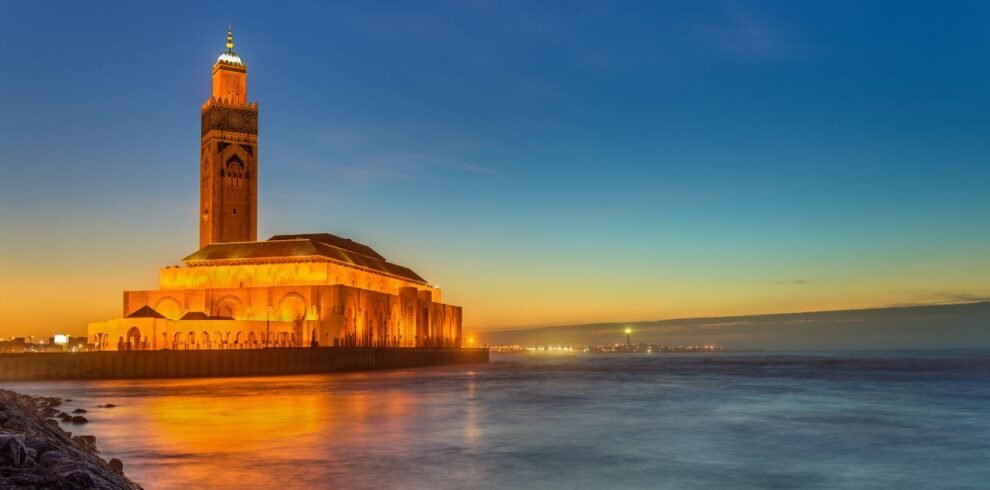
Morocco’s largest city blends modern flair with cultural heritage. Visit the striking Hassan II Mosque,
one of the largest in the world, set dramatically on the Atlantic coast. Casablanca is also a hub of
contemporary art, nightlife, and international cuisine.
Venture into the golden dunes of Merzouga or Zagora for a camel trek and an overnight stay in a
desert camp. Watch the sun set over rolling sands, listen to drumming under the stars, and
experience the timeless beauty of the Sahara.
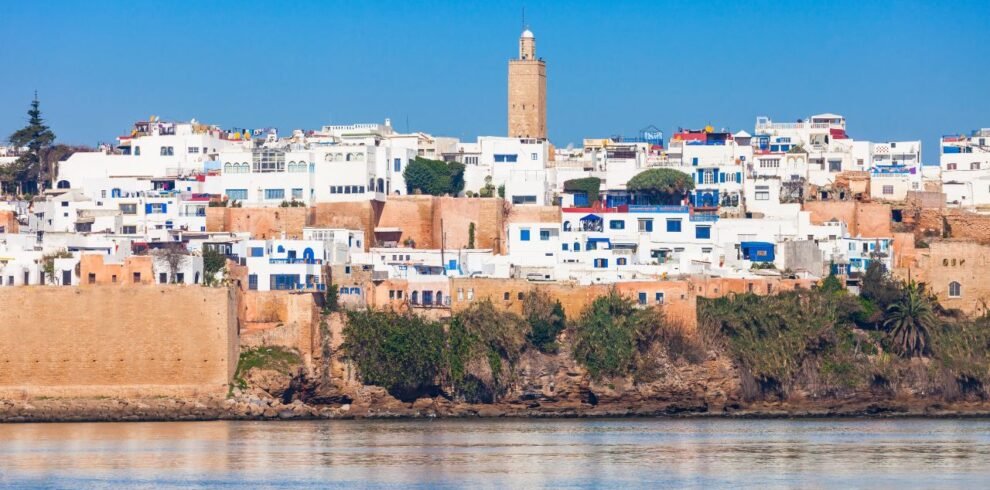
As Morocco’s capital, Rabat combines history with elegance. Explore the Kasbah of the Udayas, the
Hassan Tower, and the Mausoleum of Mohammed V, while enjoying the calm seaside atmosphere
that contrasts with busier cities.
Often overshadowed by its neighbors, Meknes is a hidden gem of imperial grandeur. Visit the grand
Bab Mansour Gate, the Royal Stables, and the historic medina for a quieter yet equally rich cultural
experience.
Relax in this laid-back Atlantic port city known for its whitewashed walls, blue shutters, and fresh
seafood. Essaouira is a haven for artists, windsurfers, and music lovers, especially during the annual
Gnaoua World Music Festival.
Hike or trek through Morocco’s spectacular mountain ranges. From the snow-capped High Atlas
and the Berber villages of the Ourika Valley, to scaling Mount Toubkal—North Africa’s highest
peak—the Atlas offers unforgettable adventures.
Dubbed the “Hollywood of Morocco,” Ouarzazate is famous for its film studios and desert scenery.
Nearby, the fortified village of Ait Ben Haddou, a UNESCO site, has starred in countless movies and
series, including Gladiator and Game of Thrones.
At the meeting point of the Atlantic and Mediterranean, Tangier is a cosmopolitan city with a storied
past of writers, spies, and artists. Explore the medina, the Kasbah Museum, and the cliffside Caves
of Hercules.
A modern beach resort city rebuilt after a devastating earthquake in 1960, Agadir is known for its long
sandy beach, golf courses, and a lively promenade. It’s also a great base for day trips into the Anti-
Atlas Mountains.
Step back to Roman times at Volubilis, Morocco’s best-preserved archaeological site. Wander
among basilicas, triumphal arches, and mosaic floors that reveal the sophistication of life in this
ancient city.
Marvel at the dramatic canyons carved into the Atlas Mountains. Hike through towering cliffs, winding
river valleys, and traditional Berber villages that showcase Morocco’s stunning natural beauty.
This charming seaside town on the Atlantic coast is famed for its Portuguese fortifications, colorful
murals, and relaxed vibe. Every summer, the Asilah Arts Festival transforms its medina into an
open-air gallery.
The ideal travel seasons are spring (March–May) and autumn (September–November), offering pleasant weather for sightseeing, desert excursions, and cultural tours. Tour For Less design’s itineraries year-round, adjusting activities and pacing to ensure comfort even during hotter or cooler months.
Yes. Morocco is a stable and welcoming destination with a strong tourism infrastructure. Tour For Less prioritizes guest safety by working with licensed guides, professional drivers, and carefully selected hotels and riads.
The Moroccan Dirham (MAD) is the local currency. Credit cards are accepted at most hotels and larger establishments, but cash is recommended for markets and small vendors. ATMs are widely available.
Modest, comfortable clothing is recommended, especially when visiting religious and rural areas. Lightweight fabrics are ideal. Swimwear is appropriate at hotels, pools, and coastal resorts.
Morocco operates on 220 volts with a 50 Hz frequency. Plug types C and E/F (two round pins) are standard. Travelers from 110–120V countries may need a converter and adapter.
Tour For Less recommends drinking bottled or filtered water throughout your journey to avoid discomfort.
Yes. Tour For Less designs itineraries suitable for families, couples, and senior travelers, with adjustable pacing, comfortable transportation, and attentive support throughout the journey.
Yes. Private tours are ideal for families, couples, seniors, and special-interest travelers, providing a relaxed pace and attentive support throughout the journey
Tour For Less combines expert local knowledge, carefully curated experiences, private transportation, and excellent value delivering memorable Moroccan journeys without compromising comfort, safety, or authenticity.